Join The Primal and the world’s top doctors, creators, and health pioneers — Dr. Ken Berry, Dr. Shawn Baker, Dr. Berg, Dr. Chaffee, and more — at Meatstock x The Primal 2026.
The ultimate Carnivore, Keto, and Health convention.
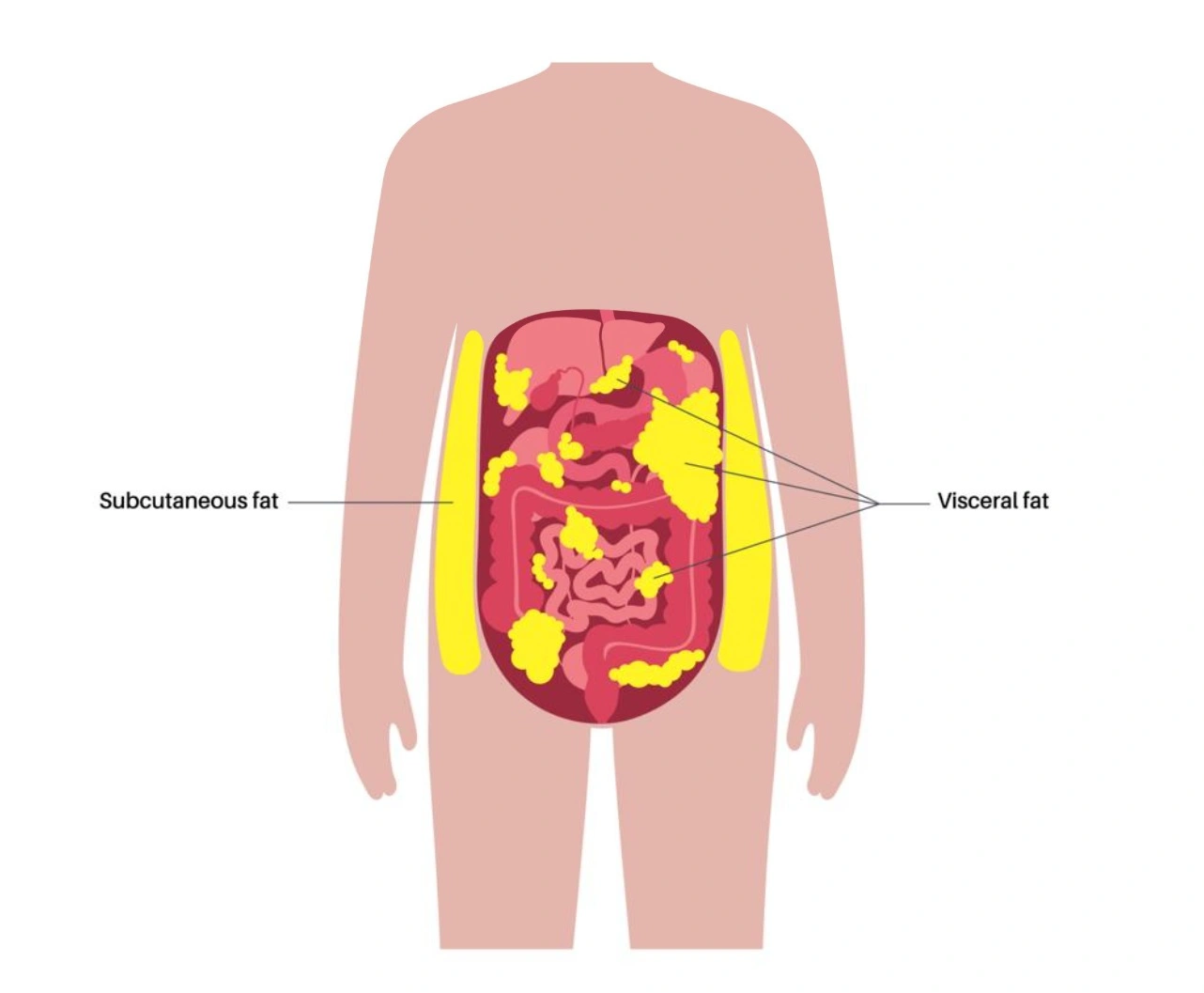
Most people think belly fat is just a beauty issue. But the most dangerous type of fat is usually the fat you cannot even see. Visceral fat is the deep abdominal fat stored around your organs, including your liver, pancreas, and intestines. Unlike subcutaneous fat, the fat just under your skin, visceral fat is metabolically active and strongly linked to insulin resistance, chronic inflammation, fatty liver disease, type 2 diabetes, and heart disease. The scary part is that you can look relatively thin and still carry high amounts of visceral fat. But you can get rid of it with lifestyle changes, especially diets like Carnivore that lower insulin levels and reduce processed foods. That is one reason many people try low-carb and Carnivore diets when trying to lose stubborn belly fat. So, let’s dig in and learn what we should!
Highlights
What Is Visceral Fat?
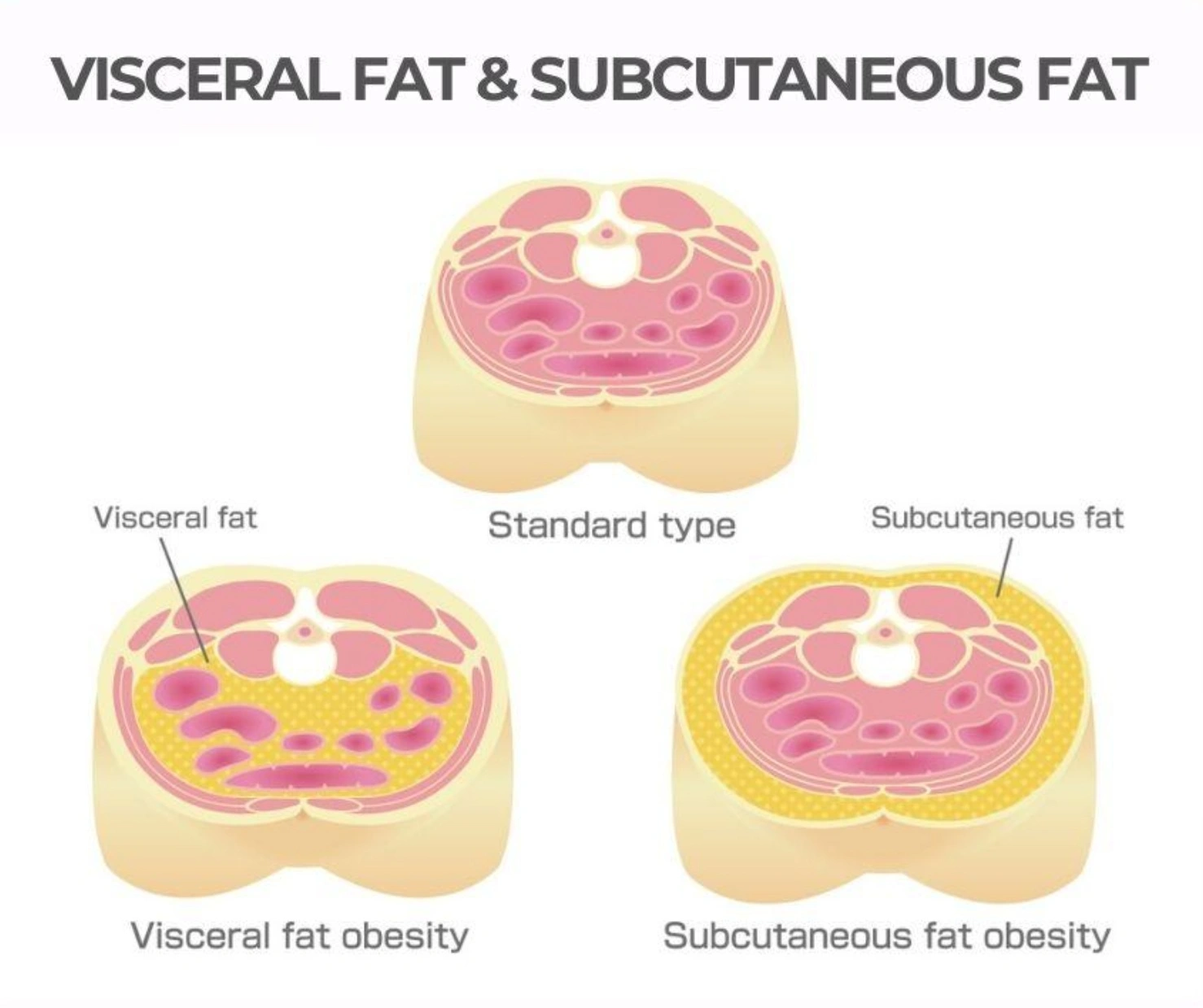
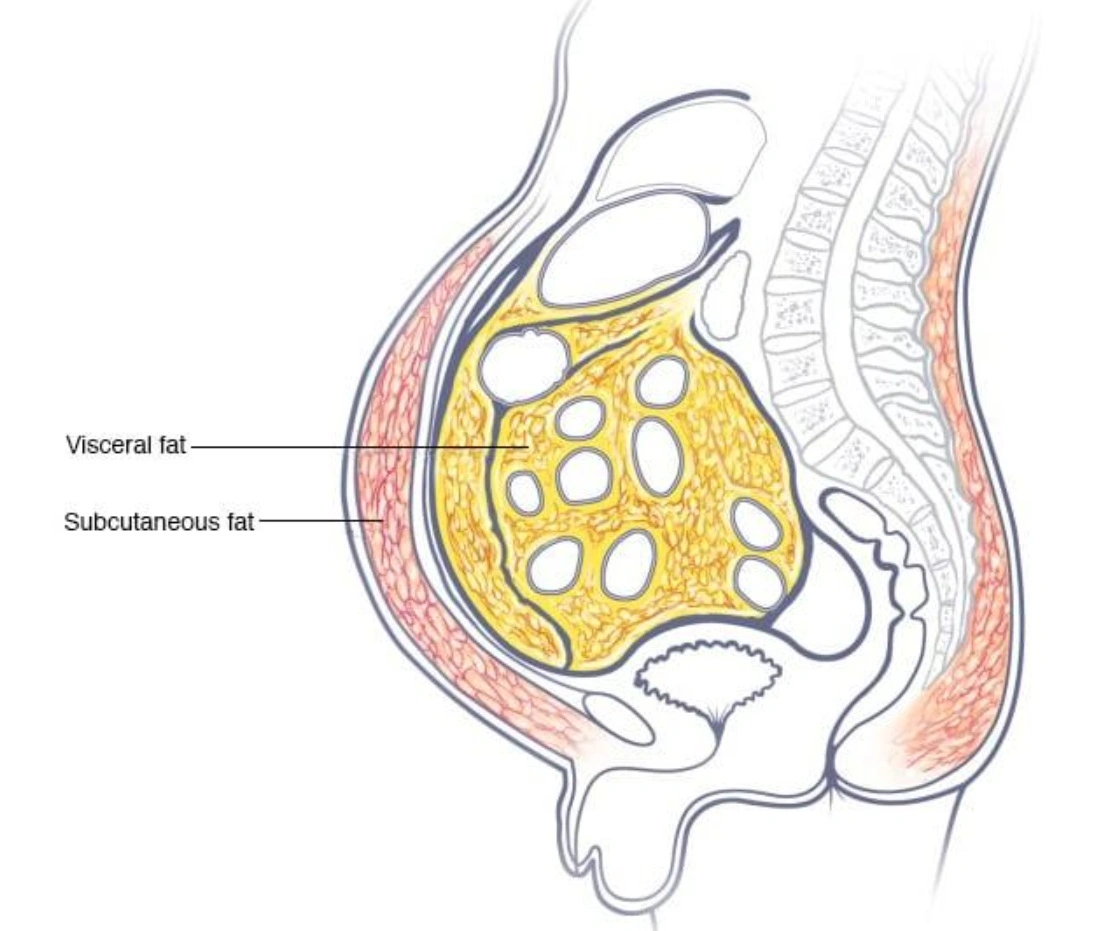
Visceral fat is fat stored deep inside the abdominal cavity around your internal organs. It differs from subcutaneous fat, which is the fat right under the skin [1].
Visceral Fat vs. Subcutaneous Fat
As the table below shows, despite what many may think, visceral fat is more dangerous than subcutaneous fat. In other words, the fat inside our body around organs causes higher health risks than the fat under the skin [2] [3].
Type of Fat
Location
Health Risk
Subcutaneous Fat
Under the skin
Lower
Visceral Fat
Around organs
Much higher
Join 100,000+ subscribers to get monthly emails on the best science-based tools and strategies for optimal health from Rina.
Thank you! You're now subscribed!
Oops! Something went wrong while submitting the form.
We value your time and send just 1 insightful email monthly.
You'll also get Rina's exclusive Daily Blueprint. In it, Rina shares her daily routine. She also shares practical tools and protocols that you can use to heal inflammation and maximize your health.
By submitting your email to subscribe, you agree to The Primal's privacy policy
Visceral fat acts almost like an endocrine organ, meaning that it somehow secretes hormones internally. It releases inflammatory compounds and hormones that can interfere with metabolism, blood sugar control, and cardiovascular health [4].
So, if you have too much visceral fat, you can develop:
Insulin resistance,
High triglycerides,
Increased blood pressure,
Fatty liver,
Metabolic syndrome, and
Increased cardiovascular risk.
Why Is Visceral Fat Dangerous?
Visceral fat is dangerous because it is not just stored energy, and can seriously cause different diseases as follows.
[cta-gocarnivore-plans]
Insulin Resistance
Having too much visceral fat can strongly cause insulin resistance, a condition where cells stop responding properly to insulin. So, when insulin remains chronically high [5] [6]:
The body stores more fat,
You feel hungrier,
Blood sugar goes out of balance, and
Fat burning becomes harder.
Chronic Inflammation
Visceral fat releases inflammatory chemicals called cytokines. Over time, chronic inflammation can lead to a series of serious illnesses, such as heart disease, diabetes, cognitive decline, autoimmune issues, and metabolic dysfunction [7] [8].
Fatty Liver Disease
Visceral fat is one of the causes of non-alcoholic fatty liver disease (NAFLD). When there is too much abdominal fat in the body, high levels of fat are accumulated in the liver, and worsen metabolic health [9].
[cta-meetings]
Hormonal Dysfunction
High levels of visceral fat can negatively affect cortisol (stress hormone) levels, testosterone, estrogen balance, appetite hormones, and stress response [10].
So, visceral fat is obviously dangerous. But where does it come from, and how can we decrease or remove it?
Visceral fat usually forms from a combination of diet, lifestyle, hormones, and chronic stress. Let’s see what exactly it means [11] [12].
Excess Sugar and Refined Carbohydrates
If your diet is composed of highly processed foods and sugary drinks, your body can develop high levels of visceral fat. This is because these foods and drinks can spike insulin repeatedly throughout the day [13].
Over time, chronically high levels of the insulin hormone can encourage fat storage around the abdomen and increase visceral fat.
[cta-meal-plan]
Too Much Snacking
If you are constantly eating during the day, you are keeping your insulin levels high for long periods, which makes fat burning more difficult [14].
Sedentary Lifestyle
Not doing regular exercises or a lack of movement and muscle loss reduces insulin sensitivity, and the body burns fewer calories [15].
Chronic Stress and Cortisol
Having high levels of stress increases hormones like cortisol, which can strongly lead to the accumulation of abdominal fat [16] [17].
Poor Sleep
Lack of enough or high-quality sleep or sleep deprivation can increase the levels of hunger hormones in the body and negatively affect insulin resistance, which can increase the storage of visceral fat [18] [19].
Alcohol
Consuming too much alcohol is linked to increased abdominal and visceral fat storage [20].
So, it is no secret that to avoid the formation of visceral fat or decrease it, we need to steer clear of what causes it. One of the easiest ways is to follow a Carnivore Diet.
The process is simple. The Carnivore Diet eliminates carbohydrates and allows only animal-based foods like meat, eggs, fish, and animal fats.
Various personal reports show that reducing your carbohydrate intake to less than 5% of your daily calories on a Carnivore Diet can reduce waist size, improve metabolic markers, and decrease cravings.
Let’s see how this lower carbohydrate consumption on a Carnivore Diet can decrease fat accumulation inside the body.
Lower Insulin Levels and Blood Sugar Stability
On a Carnivore Diet, most of your daily calories come from fat and protein (about 25-35% protein and 70-90% fat), and carbohydrates comprise 0-5% of daily calories.
Consuming this small number of carbohydrates can significantly decrease insulin levels. Lower insulin can improve fat mobilization and reduce fat storage [21].
Also, removing high-carb foods can reduce blood sugar swings and cravings. Despite carbohydrates (sugar), fat and protein do not fluctuate blood sugar levels too quickly or too much.
Animal-based foods, such as meat, chicken, and seafood, are highly satiating due to their protein and fat content. On a Carnivore Diet, many people naturally eat less without intentionally restricting calories [22].
When less food can make you feel full, then you do not have to eat big portions to feel satisfied and receive fewer calories, which directly means lower energy that stores as fat.
Reduced Processed Foods
On a Carnivore Diet, you should avoid sugary drinks, refined grains, seed oil-heavy snacks, ultra-processed foods, and many hyperpalatable foods, which are directly linked to overeating [23].
Reduced Inflammation
The Carnivore Diet is an elimination diet that removes potentially harmful or toxic food sources. Eliminating processed foods and certain plant foods can lower inflammation and digestive symptoms [24].
By reducing inflammation, which is one of the causes of visceral fat formation, your body does not create too much visceral fat around the organs.
As we mentioned, the Carnivore Diet eliminates toxic or inflammatory plant-based foods and instead focuses on high-quality animal-based products.
The table below shows a sample 7-day Carnivore Diet Meal Plan for visceral fat loss. To make these or other yummy, low- or zero-carb dishes, use the free Carnivore Diet Recipes.
Day
Breakfast
Lunch
Dinner
1
Eggs cooked in butter
Ribeye steak
Ground beef patties
2
Omelet with beef
Salmon
Lamb chops
3
Scrambled eggs
Burger patties
Slow-cooked beef roast
4
Bone broth and eggs
Sardines
Ribeye steak
5
Steak and eggs
Ground lamb
Salmon
6
Eggs and bacon
Beef patties
Short ribs
7
Omelet
Sardines and eggs
Roast beef
How to Measure Visceral Fat?
Waist Circumference: This is one of the simplest indicators of visceral fat. Higher risk thresholds are generally over 40 inches (102 cm) for men and over 35 inches (88 cm) for women.
Waist-to-Height Ratio: Many experts consider keeping your waist less than half your height a useful target.
DEXA Scan: It can estimate body fat distribution, including visceral fat levels.
CT or MRI: These are among the most accurate methods, but are expensive and not usually necessary.
Blood Markers: Certain lab markers can suggest visceral fat problems. For example, high fasting insulin, high triglycerides, low HDL, elevated blood sugar, and fatty liver markers.
If your measures come back positive and you have high levels of visceral fat, decreasing carbohydrates and going on a Carnivore Diet can help you. You can also use the following tips.
Stay Consistent: Extreme short-term dieting rarely works long-term. So, go on a Carnivore Diet and stick to it to get the best results in your body’s timing.
When your body begins to lose weight and starts the process, visceral fat is often one of the first fat stores the body reduces during weight loss.
Within weeks, some people notice less bloating, smaller waist circumference, improved blood sugar, and better energy.
However, long-term reduction depends on your consistency, sleep, daily activity, stress management, and calorie balance. Please note that sustainable fat loss is usually gradual.
[cta-meal-plan]
The Biggest Mistakes Preventing Visceral Fat Loss on Carnivore
Eating Too Much Dairy: Cheese and heavy cream can be easy to overconsume and can slow fat loss for some people.
Eating Too Frequently: Even on Carnivore, constant snacking can make fat loss harder.
Ignoring Sleep: Poor sleep increases cravings, cortisol, and insulin resistance.
Chronic Stress: High cortisol is strongly linked to abdominal fat accumulation.
Not Strength Training: Resistance training helps improve insulin sensitivity and preserve muscle mass during fat loss.
Drinking Alcohol: Alcohol can impair fat oxidation and increase abdominal fat storage.
Visceral fat is far more dangerous than ordinary belly fat because it directly affects metabolic health, inflammation, and organ function.
The good news is that visceral fat usually responds well to lifestyle changes, especially diets like Carnivore that reduce processed foods and stabilize insulin levels.
The Carnivore Diet can help reduce visceral fat by improving satiety, lowering carb intake, reducing cravings, stabilizing blood sugar, and simplifying food choices.
Mix the diet with better sleep, strength training, stress management, and consistency to reduce visceral fat and improve your long-term health and body composition.
[cta-shop-products]
FAQs
Here are answers to the most frequently asked questions about visceral fat.
Yes, some people are “thin outside, fat inside” (TOFI). They may look lean, but still carry dangerous levels of fat around their organs. This is common in people with low muscle mass, poor metabolic health, sedentary lifestyles, high sugar intake, or chronic stress.
Is Visceral Fat Worse than Regular Belly Fat?
Yes, visceral fat surrounds internal organs and can cause metabolic disease more than subcutaneous fat.
Can the Carnivore Diet Reduce Belly Fat?
Yes, it can help reduce waist circumference and improve body composition by lowering insulin levels, improving satiety, and eliminating processed foods.
Is Visceral Fat Reversible?
In many cases, yes. Weight loss, better diet quality, exercise, stress management, and better sleep can significantly reduce visceral fat.
Every week your favorite Carnivore doctors like Dr Chaffee, Dr Baker, Dr Bright join us LIVE to answer your medical questions and our coaches will help you lose weight and heal inflammation fast.
The Primal is your ultimate resource for the ketogenic diet—helping you lose weight, heal chronic disease, and take back your health, all for free!
Founded by Rina Ahluwalia, a health expert with 20+ years of experience and host of The Primal Podcast (on YouTube, Spotify & Apple Podcasts), we bring you weekly in depth conversations with board-certified doctors on topics like insulin resistance, cancer prevention, heart disease, and more.
Everything we share is backed by research and published on The Primal Lab, with references, books, tools, and easy-to-follow guides. Plus, you’ll find thousands of free articles, blog posts, recipes, and troubleshooting tips at ThePrimal.com to help you succeed on Carnivore and Keto. 👉 Subscribe to The Primal Podcast on YouTube or join our mailing list using the below form for the latest health insights—straight to your inbox!