


Nutrients in Honey
A tablespoon of raw honey (21 g) contains the following nutrients:
Despite being natural, honey is 100% carbohydrate, so it breaks the zero-carb rule. However, its unique enzymes and antioxidants make it nutritionally richer than refined sugar.
Some of the individuals following a Carnivore Diet make an exception and consume honey for its beneficial health effects. They also argue that honey has been one of the foods that our meat-eating ancestors consumed.
[cta-gocarnivore-plans]
Did Our Ancestors Consume Honey?
The Carnivore Diet is an ancestral eating approach. It is built on the belief that our early ancestors were meat eaters because our body is designed to digest meat, and it works best on fat and protein.
However, some anthropological research shows that hunter-gatherer tribes, such as the Hadza of Tanzania, regularly consumed honey as one of their favorite energy sources.
This ancestral history supports the idea that early humans weren’t strictly zero-carb. Honey and fruit may have been part of the natural cycle, helping refill their bodies’ glycogen stores after intense activity or fasting.
That is why a group of those following a Carnivore Diet believe that consuming minimal honey does not break the Carnivore Diet, and actually helps you return to a more ancestral eating pattern.
But as you probably know, honey has different types. Let’s learn about some of the common types and see whether you can eat a specific kind of honey on a Carnivore Diet.
Learn More: Can You Eat Ginger on a Carnivore Diet? Is It Healthy?
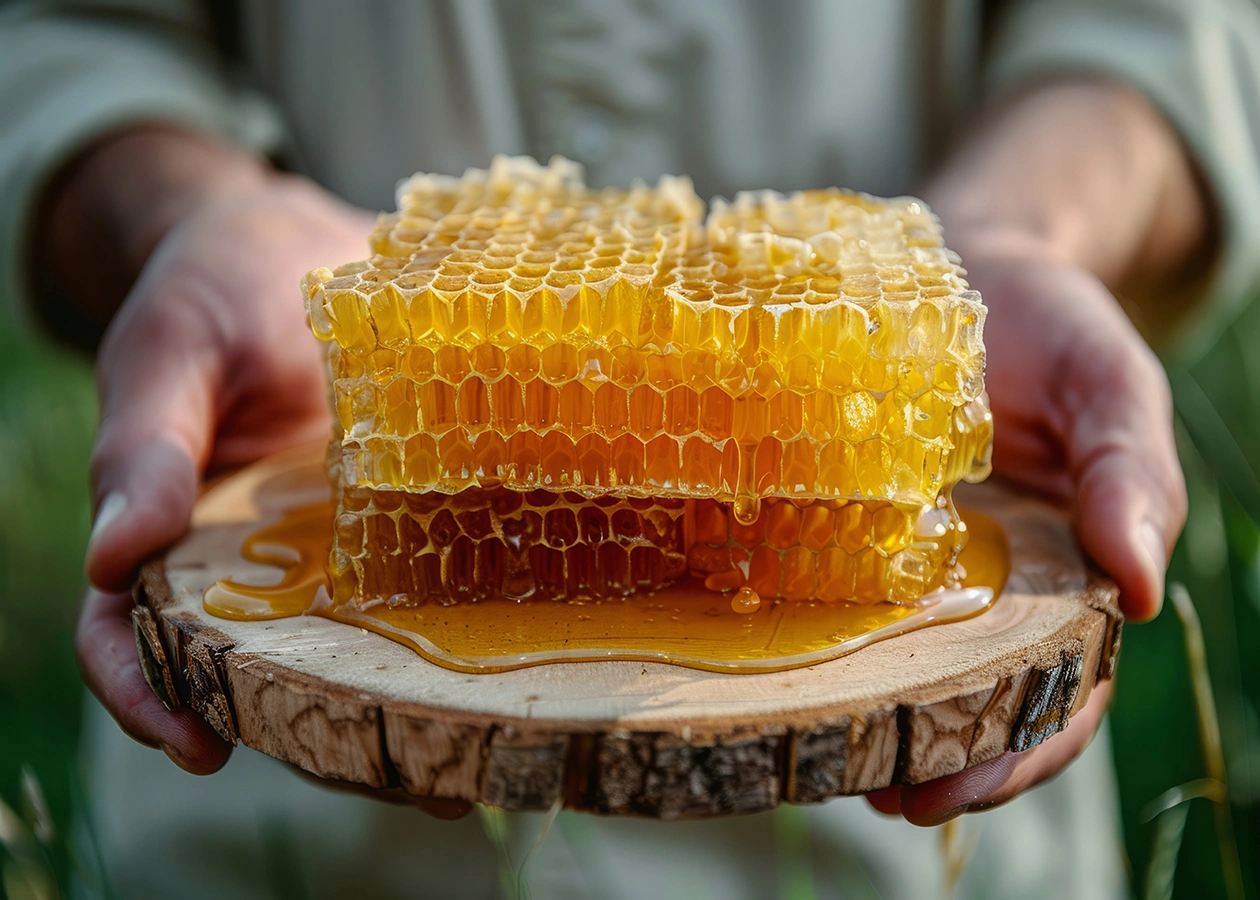
Types of Honey
There are numerous kinds of honey thanks to bees! Each type of honey has its unique flavor, color, and texture.
The variations in honey types are because of the different kinds of flowers and plants the bees choose to collect nectar from. Let’s get to know some popular types of honey.
- Wildflower Honey: The honey that bees make from the nectar of wildflowers is called wildflower honey, which has a strong, mixed flavor.
- Clover Honey: One of the most common types of honey is clover honey, coming from the nectar of clover plants. This type has a mild, slightly floral taste and a pleasant aroma.
- Lavender Honey: Another type, which is widely used in cooking because of its subtle scent and taste, is lavender honey, made from lavender blossoms.
- Acacia Honey: It comes from the nectar of the black locust tree, aka the false acacia tree. It has a light color and a mild, sweet, floral taste.
- Manuka Honey: A native New Zealand honey is Manuka honey made from the pollination of the manuka bush. With its strong, distinctive flavor, this honey has medicinal effects and helps treat wounds and sore throats.
[cta-meetings]
- Buckwheat Honey: Coming from the nectar of buckwheat flowers, this type of honey is dark with a strong, molasses-like flavor and rich in antioxidants.
- Orange Blossom Honey: This honey has a light citrus taste and is used in both cooking and medicine.
- Eucalyptus Honey: It has a bold, slightly medicinal flavor and helps heal colds and respiratory issues.
- Sourwood Honey: The nectar of the sourwood tree, which is found in the southeastern US, is used to make this honey's distinct, spicy, and buttery flavor.
- Heather Honey: Heather plants found in Scotland and other heather-rich regions are used to make this dark color and, strong, mildly bitter honey.
However, regardless of the origin and type, all kinds of honey contain carbohydrates. To decide if it is a good idea to include honey on Carnivore Diet despite its carbohydrate content, we need to consider the benefits and risks of adding honey to our Carnivore Diet Meal Plan.
The Benefits of Honey
Consuming honey can provide the following health benefits:
Quick Energy and Glycogen Refill
Honey provides fast-digesting carbohydrates, mainly glucose and fructose, which the body quickly converts into glycogen (stored energy in muscles and liver).
For example, after an intense workout or a long fast, a teaspoon of honey can help refill muscle glycogen and improve recovery [1].
This is because post-exercise, insulin sensitivity is high, so small carbohydrate intake helps refuel energy without too much fat storage.
So, it can help athletes, those on a Keto Diet or a Low-Carb Diet, or those using a carb cycling approach.
Mixing honey with protein, for example, steak with 1 tsp honey, can help amino acid absorption and blunt sugar spikes.
Learn More: Can I Use Turmeric on a Carnivore Diet? Is It Healthy?
[cta-meal-plan]
Antioxidant and Anti-Inflammatory Effects
Raw honey contains compounds like flavonoids and phenolic acids, which have antioxidant effects.
Studies show that dark honeys, like buckwheat or manuka, have up to 20× more antioxidant capacity that can help fight free radicals from intense training or inflammation [2].
On a meat-based diet, oxidative stress from protein metabolism can increase. But antioxidants from honey can counterbalance this slightly. So, it can help athletic recovery, stressful lifestyles, or mild inflammation management.

Digestive and Antimicrobial Support
Raw honey is naturally antibacterial and can help soothe the digestive tract. For example, a teaspoon of manuka honey can calm acid reflux or mild gastritis symptoms [3].
Honey’s hydrogen peroxide, methylglyoxal, and enzymes fight harmful bacteria, like H. pylori, and promote healing. This can help people transitioning to Carnivore who experience digestive upset or gut adaptation issues.
However, please note that consuming too much honey can worsen gut dysbiosis or feed bad bacteria, so moderation is key.
Learn More: Is Lamb Healthier than Beef for Keto and Carnivore Diets?
[cta-gocarnivore-plans]
Better Sleep and Relaxation
Honey can improve sleep quality by gently raising insulin, which helps tryptophan (a serotonin precursor) enter the brain. 1 teaspoon of raw honey before bed can promote melatonin production and smoother sleep [4].
This is because the Carnivore Diet is low-carb and can sometimes lower serotonin/melatonin levels, so a small carb hit helps reset the cycle.