Join The Primal and the world’s top doctors, creators, and health pioneers — Dr. Ken Berry, Dr. Shawn Baker, Dr. Berg, Dr. Chaffee, and more — at Meatstock x The Primal 2026.
The ultimate Carnivore, Keto, and Health convention.
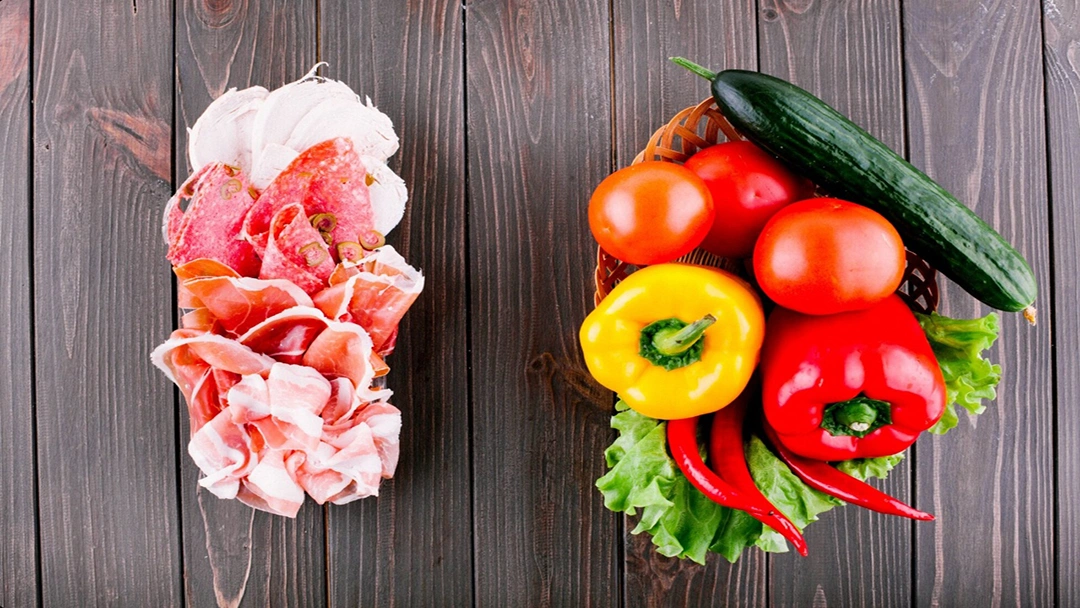
The dilemma of the Carnivore Diet vegetables starts where some say no plant-based foods are allowed on a zero-carb Carnivore, but others believe you can have some low-carb veggies if you are a beginner or are transitioning to Carnivore. Let’s go through the matter of vegetables on a Carnivore Diet and make the best decision.
Highlights
Vegetables are not necessary to reach Carnivore Diet results.
Some vegetables can ruin Carnivore results for containing anti-nutrients and inflammatory compounds.
A zero-carb Carnivore Diet excludes all plant-based foods, including vegetables.
Cutting carbohydrates gradually can help you improve your health, reduce inflammation, regulate hormones, boost mental function, and more.
What the Carnivore Diet Says About Vegetables
The short answer is that the zero-carb Carnivore does not include vegetables. However, there are some points to consider.
The dilemma of the Carnivore Diet vegetables is rooted in the macronutrients you need to consume every day. The daily macros are set based on your metabolic flexibility, health status, underlying health issues, and goals.
The Carnivore Diet is the third and final level of the Primal Diet, which decreases carbohydrate intake to zero. That means no vegetables, no fruits, and no plant-based foods.
The reason behind zero carbs, high fat, and moderate protein is simple: humans can thrive on animal foods alone, and plant foods are unnecessary or even harmful for some people.
Animal-based foods can provide complete nutrition, including protein, fat, vitamins, and minerals, without the digestive burden of plant fiber or anti-nutrients.
[cta-gocarnivore-plans]
Also, the Carnivore Diet aims to improve health by eliminating unnecessary foods and allowing simple, nutritious food sources to heal inflammation, regulate hormones, and improve autoimmune conditions [1] [2].
From this perspective, vegetables are excluded not because they are bad, but because they are considered non-essential or inflammatory.
Another reason for excluding vegetables is avoiding anti-nutrients, such as lectins, oxalates, and phytates, which are found in many vegetables [3] [4].
These components can interfere with mineral absorption or trigger inflammation in sensitive individuals or those with underlying health problems [5].
Having said that, we should remember that the Primal Diet is designed based on progress, not perfection. Your body begins from a high-carb lifestyle and gradually moves toward a zero-carb diet.
Moving through the levels of a Primal Diet, your macronutrient needs change, and you should balance macros accordingly. You can also find the right balance of macros using this free Carnivore Diet Macro Calculator based on your age, gender, and activity level.
Join 100,000+ subscribers to get monthly emails on the best science-based tools and strategies for optimal health from Rina.
Thank you! You're now subscribed!
Oops! Something went wrong while submitting the form.
We value your time and send just 1 insightful email monthly.
You'll also get Rina's exclusive Daily Blueprint. In it, Rina shares her daily routine. She also shares practical tools and protocols that you can use to heal inflammation and maximize your health.
By submitting your email to subscribe, you agree to The Primal's privacy policy
The Low-Carb Diet Level
The first level, aka the Low-Carb Diet, starts by decreasing carbohydrate intake. When you come from high-carb diets, you cannot suddenly cut carbohydrates and should decrease them gradually so your body adapts to the new eating style.
On a Low-Carb Diet, your daily calories come from three main sources:
Carbohydrates: 10-30%
Fat: 40-60%
Protein: 20-30%
The Keto Diet Level
When your body is used to decreasing carbohydrates, you can gradually decrease them and enter the Keto Diet stage, where your body can shift the energy source and start burning fat instead of carbohydrates, in a process called ketosis.
To enter a ketosis state, your daily macronutrients are balanced like this:
Carbohydrates: 5-10%
Fat: 65-80%
Protein: 15-25%
[cta-meetings]
The Carnivore Diet Level
When you can induce and maintain ketosis, your body gets fat-adapted and no longer needs carbohydrates to produce energy. This is when you can start the Carniore Diet.
At this stage, you can gradually omit carbohydrates and enjoy various health benefits. You can balance your daily macronutrients according to the following ratios:
Carbohydrates: ~0%
Fat: 75-90%
Protein: 15-25%
So, based on these levels and categories, can we have vegetables on a Carnivore Diet?
If you are following a zero-carb Carnivore Diet, the answer is no. Vegetables, even low-carb ones like spinach or lettuce, are excluded because they are plant foods.
However, you can have vegetables, especially low-carb veggies, on a Low-Carb, Keto, or even Ketovore Diet.
Consuming low-carb vegetables when you are not on a fully zero-carb diet and have not become fat-adapted yet can help you improve micronutrient intake, regulate digestion, and stay loyal to the diet.
Some people consume very low-impact plant foods because they may need them for their specific health conditions, including bowel movement, or simply because they like veggies.
Usually, if you are on a zero-carb Carnivore Diet, you enjoy various health benefits like reduced inflammation, regulated hormones, lower insulin resistance, and better mood that you won’t like to cheat the diet rules.
However, some of the individuals who are on a modified Carnivore, Keto, or Ketovore Diet add the following vegetables to their Carnivore Diet Food List.
Vegetable Type
Why Included
Controversy Level
Leafy greens (lettuce, spinach)
Very low carbs
Medium
Herbs (parsley, dill)
Flavor and micronutrients
Low
Fermented vegetables
Gut health
Medium
Zucchini/ cucumber
Low fiber
High
Please note that if, for any reason, you want to include vegetables, only eat them in small portions, alongside animal-based meals. Even if you include low-carb vegetables, you must avoid:
Root vegetables like potatoes or carrots
Legumes
Corn
Cruciferous vegetables like broccoli and cauliflower
Nightshades like tomatoes and peppers
These vegetables are avoided due to higher carb content, fiber load, or potential inflammatory compounds.
Pros and Cons of Including Vegetables on a Carnivore Diet
Sensitive people or those with certain health conditions who have to include vegetables in their diet usually do it after consulting their healthcare providers and Carnivore Doctors or coaches, mainly for:
Additional vitamin C and K
Magnesium and potassium
Dietary fiber
Increase meal variety
[cta-shop-products]
For certain individuals, for example, people who struggle with constipation or fatigue early on, limited vegetables may ease the transition. However, there are trade-offs to eating veggies on a Carnivore Diet, such as the ones below:
Anti-nutrients in plants can disrupt mineral absorption [7]
Vegetables can cause inflammation
Many people report digestive issues returning when they restarted eating vegetables, especially after a period of going on a zero-carb Carnivore Diet.
So, the bottom line is that vegetables may help some people, but they are not required for success on a Carnivore Diet.
Some individuals worry about the consequences of excluding vegetables and going fully Carnivore. Let’s learn how cutting veggies can affect our bodies.
Nutritional Trade-Offs: Vegetables vs. Animal Foods
The first thing to consider is that no one answer fits all questions. Each person's body is unique and has certain needs and conditions. So, there is no magic formula that works for everyone.
The Carnivore Diet rules are simple and are designed to help us remove unnecessary foods and consume simple but nutritious foods that reduce inflammation, which is the root cause of many chronic illnesses [8].
However, we need to adjust our diet and eating habits based on our specific needs and underlying health concerns.
One major concern is whether removing vegetables causes nutrient deficiencies. But we should note that there are some myths about the effects of nutrients such as fiber. You can learn about them in this article about Constipation on a Carnivore Diet: Causes and Remedies.
[cta-gocarnivore-plans]
Also, animal foods alone can meet nutritional needs, especially when organ meats are included. Here are the main nutrients you can gain from animal-based foods [9] [10]:
Vitamin A → liver
Vitamin C → fresh meat and organs
B vitamins → meat and eggs
Iron and zinc → red meat
Omega-3s → fatty fish
Vegetables can provide phytonutrients, fiber, and certain antioxidants. However, these are considered optional rather than essential.
You can also consult your healthcare specialist to get personalized advice. You can also take supplements if your doctors approve.
Who Should Consider or Avoid Carnivore Diet Vegetables?
Vegetables may help if you are transitioning from Keto, need flexibility for social reasons, and tolerate small plant portions well.
Avoid vegetables if you use the Carnivore Diet as an elimination diet, experience inflammation from plants, and want direct metabolic control.
[cta-meetings]
Final Remarks
The zero-carb Carnivore Diet does not include vegetables. However, some people choose to follow a Carnivore-style diet with vegetables for personal reasons or because they are new or are transitioning to Carnivore.
In any case, if you want the best results, you need to follow the rules of the diet. You can also consult your dietitian if you need to tweak the diet based on your health status and needs.
Every week your favorite Carnivore doctors like Dr Chaffee, Dr Baker, Dr Bright join us LIVE to answer your medical questions and our coaches will help you lose weight and heal inflammation fast.
The Primal is your ultimate resource for the ketogenic diet—helping you lose weight, heal chronic disease, and take back your health, all for free!
Founded by Rina Ahluwalia, a health expert with 20+ years of experience and host of The Primal Podcast (on YouTube, Spotify & Apple Podcasts), we bring you weekly in depth conversations with board-certified doctors on topics like insulin resistance, cancer prevention, heart disease, and more.
Everything we share is backed by research and published on The Primal Lab, with references, books, tools, and easy-to-follow guides. Plus, you’ll find thousands of free articles, blog posts, recipes, and troubleshooting tips at ThePrimal.com to help you succeed on Carnivore and Keto. 👉 Subscribe to The Primal Podcast on YouTube or join our mailing list using the below form for the latest health insights—straight to your inbox!