Join The Primal and the world’s top doctors, creators, and health pioneers — Dr. Ken Berry, Dr. Shawn Baker, Dr. Berg, Dr. Chaffee, and more — at Meatstock x The Primal 2026.
The ultimate Carnivore, Keto, and Health convention.
Going on a ketogenic diet improves energy levels, boosts weight loss, and helps blood sugar control. However, some people may suddenly find themselves lying awake at night after starting a low-carb diet. This condition, known as keto diet insomnia, may occur during the first few days or weeks of limiting carbohydrates. You may struggle to fall asleep, wake up in the middle of the night, experience restless sleep, or feel exhausted. These symptoms are usually temporary and fade away as your body adjusts to ketosis. But until then, you need ways to manage this sleeplessness. So, let’s learn the 10 approved ways to manage and avoid keto diet insomnia.
Highlights
Keto Diet insomnia is a temporary sleep disturbance that some people experience after starting a ketogenic diet. It is most common during the first one to four weeks as the body adapts from burning carbohydrates to burning fat for fuel. Possible causes include electrolyte loss, changes in stress hormones, reduced carbohydrate intake, inadequate calorie consumption, and the symptoms of the keto or carnivore flu. It usually improves gradually once you get fat adapted and balance electrolytes.
What Is Keto Diet Insomnia?
Keto diet insomnia is difficulty falling asleep, staying asleep, or getting restful sleep after starting a ketogenic diet.
Although it is not an official medical diagnosis, it is a commonly reported experience among people transitioning to ketosis [1].
While chronic insomnia has many underlying causes, keto diet insomnia is generally considered a short-term adaptation symptom [2].
As your body shifts from burning glucose as its main energy source to using fat and ketones, several metabolic and hormonal changes occur simultaneously.
While your body is trying to adjust to lower carb levels and shift to fat as the main fuel, your normal sleep patterns may undergo changes [3].
People experience keto insomnia differently. Some have trouble falling asleep, while others wake up in the middle of the night and struggle to return to sleep.
Others may notice lighter sleep, vivid dreams, or feeling mentally alert despite being tired and being ready to sleep.
So, to find out whether you are experiencing a temporary keto diet insomnia, you need to check the symptoms.
Join 100,000+ subscribers to get monthly emails on the best science-based tools and strategies for optimal health from Rina.
Thank you! You're now subscribed!
Oops! Something went wrong while submitting the form.
We value your time and send just 1 insightful email monthly.
You'll also get Rina's exclusive Daily Blueprint. In it, Rina shares her daily routine. She also shares practical tools and protocols that you can use to heal inflammation and maximize your health.
By submitting your email to subscribe, you agree to The Primal's privacy policy
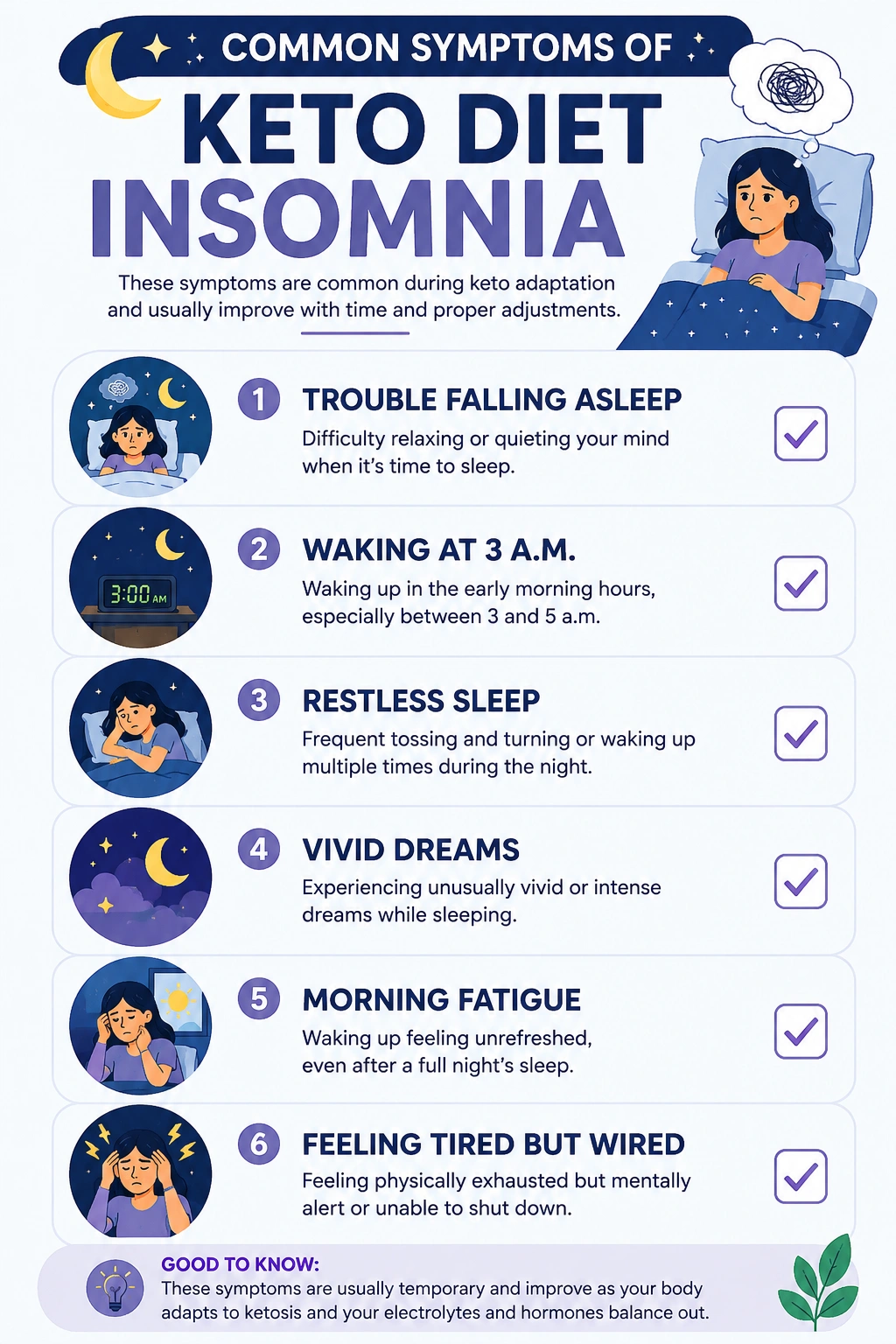
Common Symptoms of Keto Diet Insomnia
Difficulty falling asleep
Waking up during the night
Early morning awakening (often around 3-5 a.m.)
Restless or fragmented sleep
Feeling tired even after sleeping
Increased nighttime alertness
Vivid dreams
Difficulty returning to sleep after waking
These symptoms usually improve as the body gets used to and becomes more efficient at using fat and ketones for energy.
While sleep disturbance is annoying, they are a normal part of transitioning to a low-carb lifestyle. It is not like everybody will certainly experience it, but changing your diet and related metabolic changes can affect your sleep.
Yes, keto diet insomnia is generally normal. Sleep disturbances are one of the lesser-known symptoms that can occur during the early stages of a ketogenic diet.
While some may sleep more deeply after adapting to ketosis, others may experience temporary insomnia during the first days or weeks of limiting carbohydrates.
Researchers believe this difference occurs because the body undergoes significant physiological changes while adapting to ketosis.
During this transition, insulin levels decrease, stored glycogen is used, water and electrolytes are lost more quickly, and stress hormones can temporarily rise. These changes can affect the body's normal sleep-wake cycle.
Please note that not everyone experiences keto diet insomnia. Your previous diet, health status, calorie intake, hydration, stress levels, and caffeine consumption can all influence how you respond to a ketogenic diet.
Research Highlights:
Some studies report temporary sleep disturbances during the first weeks of ketosis.
Several studies have found improved sleep quality after adapting to a ketogenic diet.
More research is needed to determine exactly how ketosis affects sleep in different people.
This shows that keto diet insomnia is a transitional phase rather than a permanent side effect.
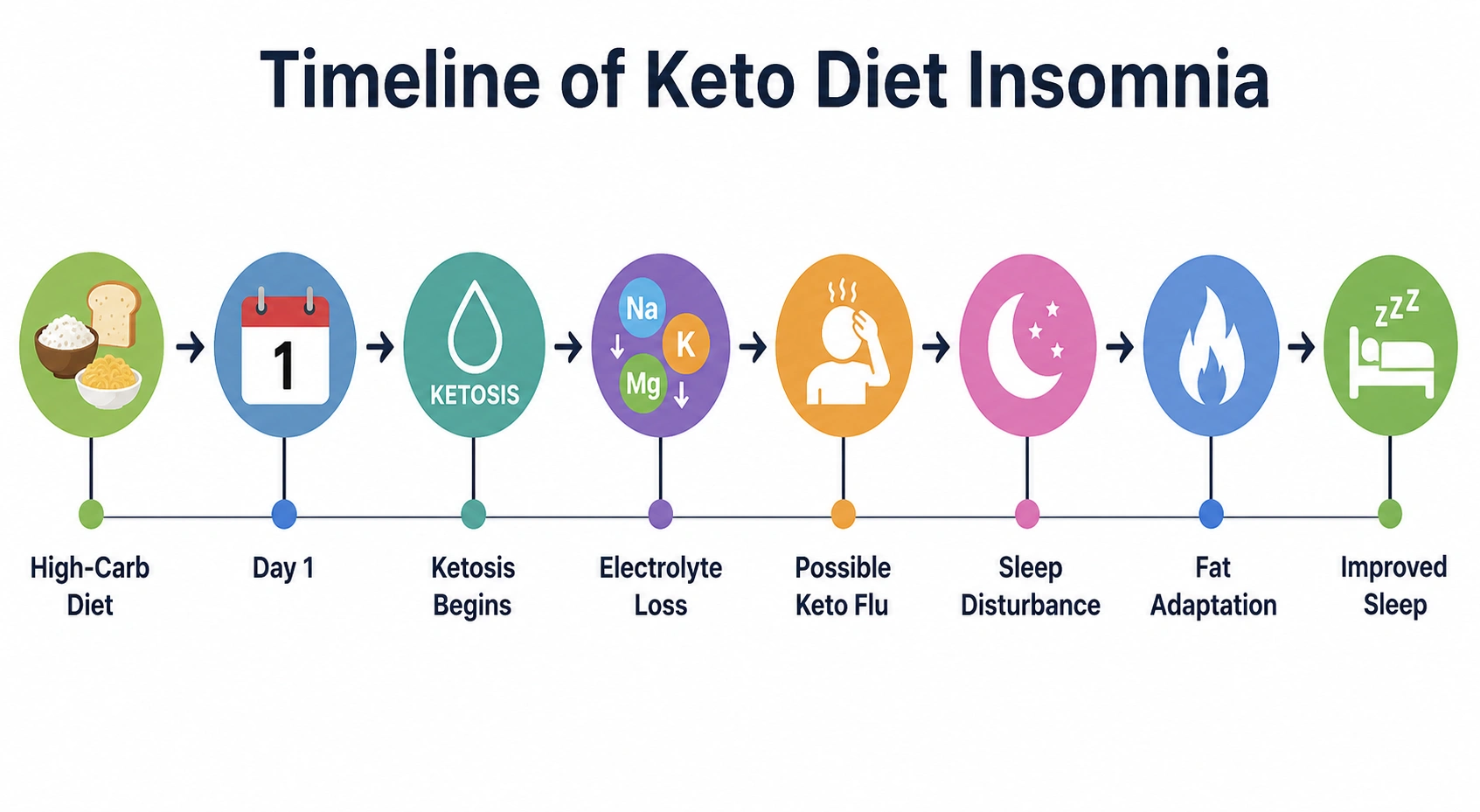
Keto Diet Insomnia Timeline
The table below shows the common timeline of keto diet insomnia.
Sleep may remain normal or become slightly restless.
Days 3-7
Keto flu symptoms and insomnia are more likely to appear.
Weeks 2-4
Sleep begins to improve as fat adaptation progresses.
Over 1 month
Many people report more stable energy levels and improved sleep quality.
Key Takeaway:
If you are experiencing insomnia shortly after starting keto, it does not necessarily mean the diet is not working. In many cases, your body simply needs time and the right nutritional support to adapt.
To reduce the symptoms and experience better sleep, we need to understand why and how keto diet insomnia happens.
As mentioned above, several biological changes can occur at the same time when you eat significantly fewer carbohydrates.
These changes influence hydration, hormones, metabolism, and even brain chemistry, which together can temporarily disrupt normal sleep [4].
Understanding these mechanisms can help us address the root cause of keto diet insomnia instead of simply treating the symptoms [5].
Electrolyte Loss and Dehydration
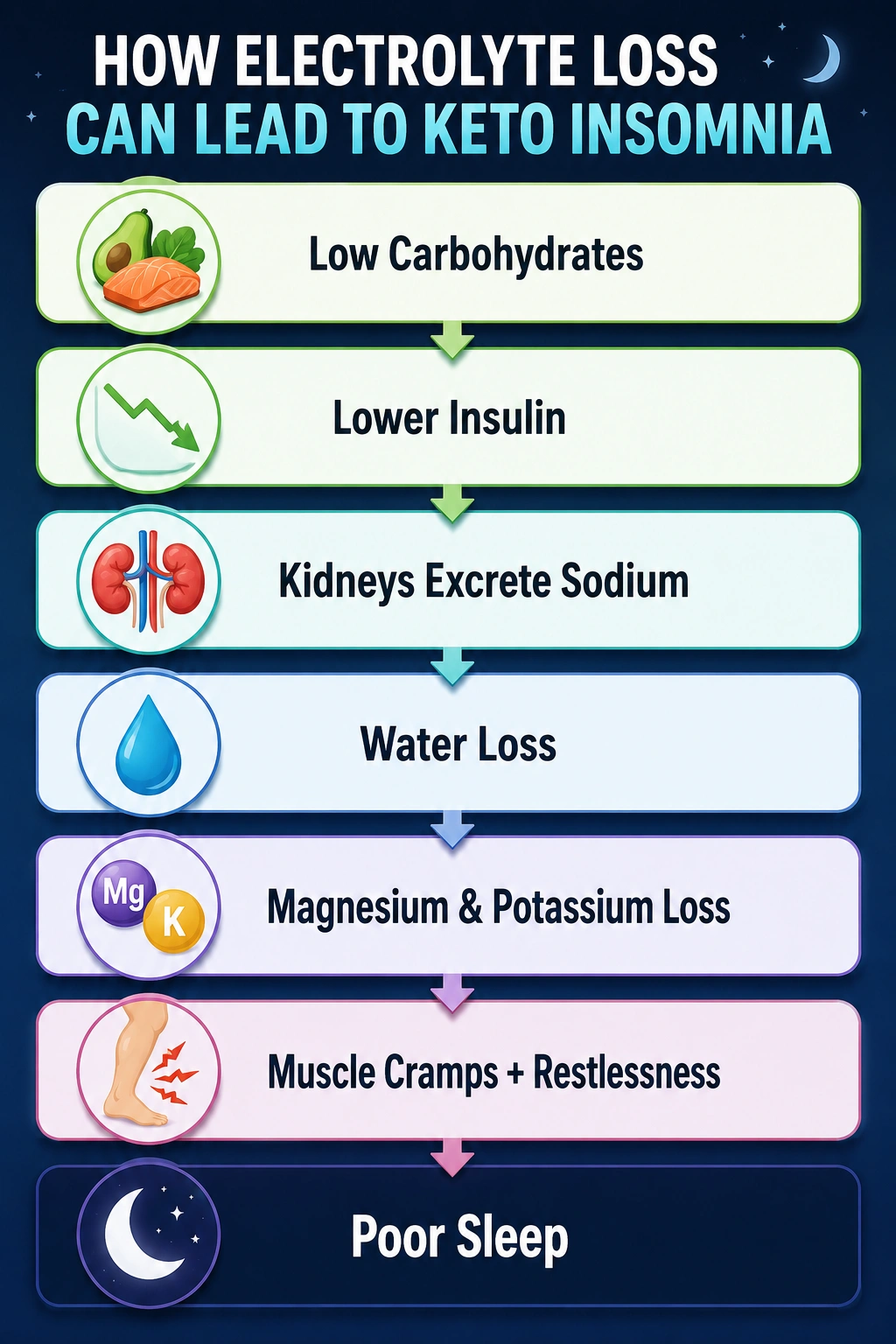
One of the most common, and most overlooked, causes of keto diet insomnia is electrolyte imbalance [6].
When you eat fewer carbohydrates, your insulin levels fall. Lower insulin signals the kidneys to excrete more sodium, which also causes increased water loss [7].
As sodium levels decrease, your body can also lose potassium and magnesium, two minerals that play essential roles in muscle relaxation, nerve signaling, and sleep regulation [8].
Low electrolyte levels can lead to:
Muscle cramps
Restless legs
Nighttime awakenings
Increased heart rate
Fatigue
Difficulty relaxing before bed
Because these symptoms overlap with those of insomnia, many people do not realize that balancing electrolytes, not taking a sleep aid, is usually the first step toward better sleep on a Keto Diet.
During the first days of ketosis, stress hormones such as cortisol and adrenaline can temporarily increase as your body learns to burn fat instead of glucose to provide energy [9].
This short-term reaction helps maintain blood sugar levels and provide energy for the brain while carbohydrate stores are emptied.
However, high cortisol, especially later in the day, can make it more difficult to relax and fall asleep [10] [11].
Some people also experience early-morning awakenings or a tired but wired feeling, where they feel physically exhausted but mentally alert. These hormonal changes usually fade as you get fat adapted.
Lower Carbohydrate Intake Can Affect Sleep Hormones
Carbohydrates influence more than just blood sugar and can affect the production of certain brain chemicals involved in sleep [12].
Some researchers believe that carbohydrates help ease the movement of the amino acid tryptophan into the brain. Tryptophan is used to produce serotonin, which is converted into melatonin, the hormone that helps regulate the sleep-wake cycle [13].
Because carbohydrate intake is reduced on ketogenic diets, some experts suggest that this pathway can be temporarily altered during the early stages of ketosis [14].
However, the evidence is mixed, and researchers have not reached a consensus on whether this mechanism directly causes keto diet insomnia.
We cannot view reduced carbohydrates as a proven cause of sleep problems; it is more accurate to consider it one of many factors that can cause sleep changes in sensitive individuals.
You can also check out the table below that shows a simplified version of the sleep hormone pathway.
This proposed mechanism is still being studied. While it is biologically possible, current evidence does not conclusively show that low carbohydrate intake alone causes insomnia.
[cta-shop-products]
Symptoms of Keto Diet Insomnia
Some people have trouble falling asleep, while others wake up several times during the night or feel unusually alert despite being physically tired.
These and the following symptoms usually appear alongside other signs of keto adaptation, such as fatigue, headaches, or muscle cramps, especially during the first week of the diet.
Symptoms of Keto Diet Insomnia and Their Possible Causes
The table below shows the most common symptoms of keto diet insomnia and their possible causes.
Symptom
Possible Cause
Difficulty falling asleep
Increased cortisol, adrenaline, caffeine
Waking around 3 a.m.
Cortisol surge, blood sugar regulation
Restless legs
Magnesium deficiency
Muscle cramps
Low magnesium, potassium, or sodium
Racing heartbeat
Dehydration and electrolyte imbalance
Feeling tired but unable to sleep
Stress hormones during fat adaptation
Frequent urination
Increased water loss during ketosis
Morning fatigue
Poor sleep quality or insufficient calories
Good to Know:
These symptoms are not specific to ketosis. If your insomnia persists after your body has adapted to keto or happens together with severe symptoms such as chest pain, fainting, or prolonged anxiety, consult a healthcare professional.
[cta-course-fatloss]
10 Proven Ways to Fix Keto Diet Insomnia
If you are struggling to sleep after starting keto, you need to address the underlying causes. The following strategies target the most common reasons keto affects sleep.
To support healthy sleep, replace lost electrolytes using the following tips [15] [16]:
Salt your food to taste.
Drink bone broth.
Eat high-potassium keto foods like avocado and spinach.
Include magnesium-rich foods such as pumpkin seeds and leafy greens.
2. Eat Enough Calories
Many people eat far fewer calories after starting keto because fat and protein are very filling. However, lowering calories too much can increase cortisol production, making it more difficult to relax and fall asleep [17] [18].
Signs you may be undereating include:
Constant hunger
Feeling cold
Low energy
Waking hungry during the night
Unusually rapid weight loss
Try to eat enough calories rather than severe restriction, especially during the adaptation phase.
[cta-gocarnivore-plans]
3. Stay Hydrated
Water loss increases during the first week of keto. Even mild dehydration can cause headaches, fatigue, muscle cramps, increased heart rate, and poor sleep [19].
Drink water throughout the day, and remember that replacing electrolytes is just as important as replacing fluids.
Many people replace high-carbohydrate snacks with coffee or energy drinks. While caffeine can temporarily improve alertness, consuming it later in the day may delay sleep and reduce sleep quality [20].
Limit coffee to the morning.
Choose decaffeinated drinks in the afternoon.
Avoid pre-workout supplements in the evening.
5. Do Not Cut Carbs Too Quickly
Some people transition from 300 grams of carbohydrates per day to fewer than 20 grams overnight.
While this approach can work for many, it is wiser to gradually reduce carbohydrate intake over one to three weeks. A slower transition can reduce [21]:
Regular exercise supports healthy sleep, but timing matters. High-intensity workouts late in the evening can temporarily increase adrenaline and delay sleep [22] [23].
It is better to
Schedule intense exercise in the morning or afternoon.
Reserve evenings for gentle activities such as walking, stretching, or yoga.
7. Improve Your Sleep Hygiene
Even perfect nutrition cannot fully compensate for poor sleep habits. To maintain your body's natural circadian rhythm and improve your sleep habits [24]:
Go to bed at the same time each night.
Keep your bedroom cool, quiet, and dark.
Avoid screens for at least one hour before bed.
Limit alcohol close to bedtime.
Develop a relaxing bedtime routine.
8. Avoid Long Fasts During Keto Adaptation Phase
Many people try intermittent fasting with keto, but doing both at the same time can increase physiological stress, especially for sensitive people [25] [26].
During your first few weeks on keto, focus on adapting to the diet before adding prolonged fasting, especially if you are experiencing sleep issues.
9. Consider Magnesium If You Are Not Getting Enough From Food
Magnesium plays an important role in muscle relaxation and nervous system function. Many people can meet their needs through foods such as [27]:
Pumpkin seeds
Spinach
Almonds
Avocados
If your healthcare provider recommends a supplement, magnesium glycinate is very common. However, supplements should complement, not replace, a nutritious diet.
10. Give Your Body Time to Adapt
Perhaps the hardest advice to follow is also one of the most important. Your metabolism does not switch from glucose to fat overnight. During the first few weeks of ketosis, your body is learning to:
Keto insomnia is usually temporary. Addressing hydration, electrolyte balance, nutrition, and sleep habits usually resolves the problem without leaving the diet.
Foods That Help Improve Sleep on Keto
Food can influence sleep quality during ketosis. You need to eat foods that support electrolyte balance, stable blood sugar, and nervous system relaxation without breaking ketosis.
The table below shows the most common foods that can help you improve sleep and avoid keto diet insomnia.
Food
Why It Helps Sleep
Salmon
Rich in omega-3s and magnesium support
Pumpkin seeds
High in magnesium (supports relaxation)
Avocado
Potassium helps reduce muscle cramps
Spinach
Magnesium + folate for nervous system support
Eggs
Tryptophan + protein for satiety
Bone broth
Sodium + hydration support
Almonds
Magnesium + healthy fats
Chia seeds
Magnesium + fiber for stable energy
The Best Timing for Sleep-Supportive Foods
Have Dinner 2-3 hours before bed. Eat salmon, eggs, spinach, avocado, etc.
If having an evening snack, eat a small portion of pumpkin seeds or almonds.
Avoid heavy protein-only meals right before bed because it may increase alertness in some people.
Some foods and habits can worsen sleep during ketosis, especially in the adaptation phase. For example,
Excess caffeine, especially after 12-2 PM
Dark chocolate in the evening (contains caffeine + theobromine)
Electrolyte drinks with hidden stimulants
Very large, heavy late-night meals
Alcohol (disrupts REM sleep and hydration balance)
Over-restricting sodium intake
Sugar alcohols (can cause gut discomfort in some individuals)
During ketosis, your body is already adjusting stress hormones (cortisol/adrenaline), losing more water and sodium, and adapting to a new fuel source. So even mild stimulants or poor timing can have a stronger effect on sleep.
Supplements for Keto Diet Insomnia
Supplements can help improve the symptoms of keto diet insomnia, but they should be taken under the supervision of healthcare professionals.
Magnesium: It supports muscle relaxation and nervous system regulation. Its best forms are magnesium glycinate and citrate.
Electrolyte Supplements: They balance sodium, potassium, and magnesium. You can take them during the first 1-3 weeks of keto.
Melatonin: It helps regulate the sleep-wake cycle. It is best to be taken short-term.
L-Theanine: It helps relaxation without sedation. It is usually used with caffeine reduction strategies.
Glycine: It can support sleep quality and regulate body temperature.
Important:
Supplements work best when used with enough calories, hydration, and electrolyte balance. They do not usually fix keto insomnia alone.
Another important point we need to consider is that sometimes people confuse keto diet insomnia and keto flu, but they are related rather than identical.
Yes, several studies and reports suggest that sleep quality can improve after full fat adaptation, especially in people with blood sugar instability or insulin resistance.
[cta-meal-plan]
What Helps Keto Insomnia Go Away Fast?
The most effective fixes include eating more salt, increasing magnesium intake, eating enough calories, reducing caffeine, especially after noon, avoiding prolonged fasting during adaptation, and improving sleep quality.
Why Do I Wake Up at 3 a.m. on Keto?
Waking around 3 a.m. is usually linked to cortisol fluctuations, low blood sugar levels, or electrolyte imbalance during keto adaptation.
Magnesium can help, especially if your intake is low. It helps muscle relaxation and the nervous system. Magnesium glycinate is commonly used for sleep.
Can Electrolyte Imbalance Cause Insomnia on Keto?
Yes, low sodium, potassium, or magnesium can cause restlessness, muscle cramps, increased heart rate, and difficulty sleeping.
Should I Stop Keto If I Have Insomnia?
Not necessarily. Keto insomnia is usually temporary. Instead of stopping the diet, you can adjust electrolytes, calories, caffeine intake, and allow more time for adaptation.
[cta-shop-products]
Why Do I Feel Tired But Cannot Sleep on Keto?
This can be linked to stress hormones (cortisol/adrenaline) that rise temporarily during fat adaptation, especially if your calorie intake is too low or caffeine intake is too high.
In some cases, a small amount of carbohydrates in the evening may temporarily improve sleep, but it can also slow ketosis.
Is Keto Insomnia Part of Keto Flu?
Yes, keto insomnia is usually considered part of keto flu, which includes fatigue, headaches, irritability, and sleep disturbances during the early adaptation phase.
What Foods Help You Sleep on a Keto Diet?
Helpful foods include salmon, avocado, pumpkin seeds, spinach, eggs, and bone broth. These support magnesium, potassium, and sodium balance.
Can Fasting Make Keto Insomnia Worse?
Yes, combining intermittent fasting with early keto adaptation can increase stress hormones and worsen sleep in some individuals.
Vivid dreams can occur due to changes in sleep during ketosis, including altered REM sleep patterns and hormonal adjustments.
When Should I See a Doctor for Keto Diet Insomnia?
If insomnia lasts longer than 4-6 weeks or goes together with symptoms like anxiety, heart palpitations, or depression, medical evaluation is recommended.
Every week your favorite Carnivore doctors like Dr Chaffee, Dr Baker, Dr Bright join us LIVE to answer your medical questions and our coaches will help you lose weight and heal inflammation fast.
The Primal is your ultimate resource for the ketogenic diet—helping you lose weight, heal chronic disease, and take back your health, all for free!
Founded by Rina Ahluwalia, a health expert with 20+ years of experience and host of The Primal Podcast (on YouTube, Spotify & Apple Podcasts), we bring you weekly in depth conversations with board-certified doctors on topics like insulin resistance, cancer prevention, heart disease, and more.
Everything we share is backed by research and published on The Primal Lab, with references, books, tools, and easy-to-follow guides. Plus, you’ll find thousands of free articles, blog posts, recipes, and troubleshooting tips at ThePrimal.com to help you succeed on Carnivore and Keto. 👉 Subscribe to The Primal Podcast on YouTube or join our mailing list using the below form for the latest health insights—straight to your inbox!