Join The Primal and the world’s top doctors, creators, and health pioneers — Dr. Ken Berry, Dr. Shawn Baker, Dr. Berg, Dr. Chaffee, and more — at Meatstock x The Primal 2026.
The ultimate Carnivore, Keto, and Health convention.
People go on a Carnivore Diet to improve digestion, reduce inflammation, simplify their food choices, and eliminate foods that trigger symptoms. For most people, the diet works exactly as intended. However, some may experience headaches, flushing, itching, digestive upset, anxiety, insomnia, or heart palpitations after eating certain animal foods. In many cases, this can be a histamine intolerance reaction. Let’s find out if it is serious and how we can avoid it on a Carnivore Diet.
Highlights
Is Histamine Intolerance Reaction Serious?
For most people, histamine intolerance is uncomfortable rather than dangerous. Symptoms can include headaches, skin reactions, digestive problems, nasal congestion, fatigue, or sleep disturbances.
These symptoms can affect your quality of life, but you can usually manage them through adjustments in diet and lifestyle.
However, severe symptoms such as difficulty breathing, significant swelling, severe dizziness, or cardiovascular symptoms require urgent medical evaluation because they may indicate an allergic reaction or another medical condition rather than a simple histamine intolerance reaction.
To find out whether we are experiencing a simple food intolerance, a histamine intolerance reaction, or other issues, we need to dig deeper and learn more about histamine.
Join 100,000+ subscribers to get monthly emails on the best science-based tools and strategies for optimal health from Rina.
Thank you! You're now subscribed!
Oops! Something went wrong while submitting the form.
We value your time and send just 1 insightful email monthly.
You'll also get Rina's exclusive Daily Blueprint. In it, Rina shares her daily routine. She also shares practical tools and protocols that you can use to heal inflammation and maximize your health.
By submitting your email to subscribe, you agree to The Primal's privacy policy
What Is Histamine?
Histamine is a natural compound produced by the body and found in many foods. It plays important roles in [1]:
Immune function
Digestion
Stomach acid production
Nervous system signaling
Inflammatory responses
In normal circumstances, enzymes such as DAO break down excess histamine. But problems arise when histamine is stored faster than the body can remove it.
[cta-gocarnivore-plans]
What Is a Histamine Intolerance Reaction?
A histamine intolerance reaction refers to a series of symptoms that occur when the body cannot break down histamine efficiently [2].
It is not a true food allergy. Instead, it happens when histamine is stored faster than the body can break it down.
Under normal conditions, the body uses an enzyme called diamine oxidase (DAO) to break down dietary histamine.
When DAO activity is reduced or when histamine intake becomes too high, symptoms can develop. This imbalance may be influenced by gut health issues, certain medications, nutrient deficiencies, or simply consuming too many high-histamine foods.
Histamine intolerance is usually dose-dependent, meaning your body can effectively tolerate small amounts of histamine, while larger loads trigger symptoms [3].
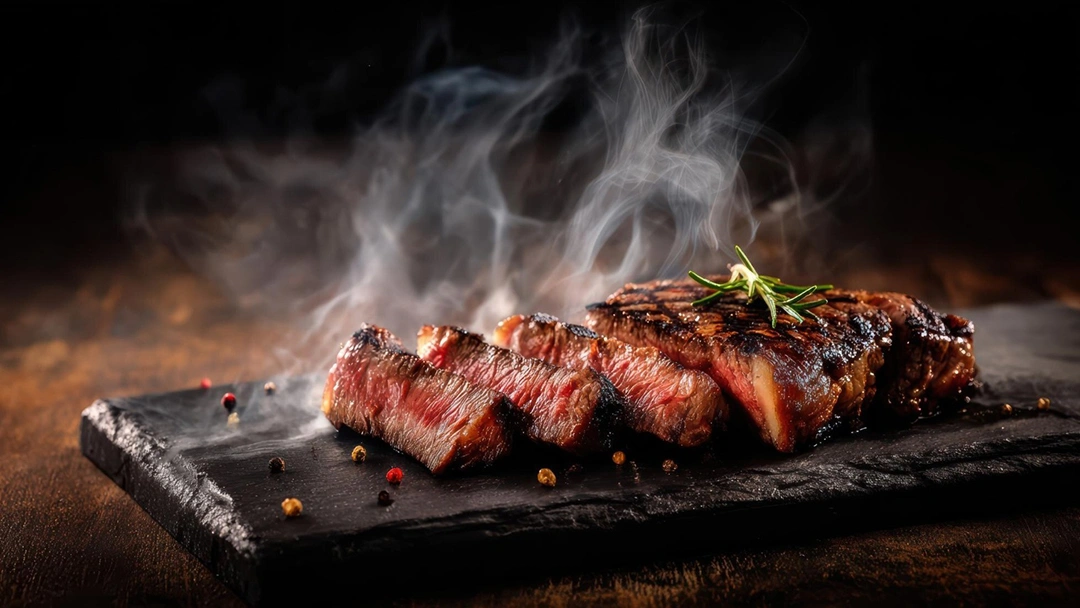
This is why some people feel completely fine after eating a fresh steak but experience reactions after consuming leftovers, aged meat, bone broth, or processed animal foods.
On a Carnivore Diet, this is especially relevant because many commonly consumed foods, such as ground beef, slow-cooked meats, cured meats, or stored leftovers, can accumulate histamine during aging, refrigeration, processing, or fermentation.
The important point is that histamine intolerance reaction does not mean a Carnivore Diet is unhealthy or unsuitable.
In many cases, symptoms can be significantly reduced by simple adjustments such as eating freshly cooked meat, avoiding or freezing leftovers, and solving potential gut or metabolic issues.
To adjust our method, we need to learn why histamine intolerance happens.
Generally, a histamine intolerance reaction can happen as a result of [4] [5]:
Reduced DAO Activity
Gut Health Issues
Nutrient Deficiencies
Mast Cell Activation
Reduced DAO Activity
DAO is the main enzyme responsible for breaking down dietary histamine. Low DAO activity may increase susceptibility to symptoms.
This activity reduction can be due to gut lining damage (the most common cause), gut microbiome imbalance, nutrient deficiencies, genetic factors, medications that inhibit DAO, hormonal influences, and high histamine load overwhelming the system.
Gut Health Issues
Digestive problems can lead to a histamine intolerance reaction. Potential contributors include:
Several nutrients support histamine metabolism. Not having enough vitamin B6, vitamin C, and copper can cause histamine intolerance.
Mast Cell Activation
Some individuals experience excessive histamine release from mast cells, which can worsen the symptoms. Let’s find out what the most common symptoms are.
[cta-meetings]
Histamine Intolerance Reaction Symptoms
Histamine intolerance reaction symptoms can affect different body systems and vary widely among individuals. But the most common symptoms include [6]:
While these symptoms can indicate you may have histamine intolerance, it is difficult to identify whether you really have it because symptoms do not always appear immediately.
Why Can a Carnivore Diet Trigger Histamine Intolerance Reactions?
We generally assume that meat is automatically low in histamine. While fresh meat is generally low in histamine, histamine levels increase significantly as meat ages or is stored.
This means the problem is often not the meat itself but how it has been processed, handled, or stored. Histamine accumulates during:
Aging
Grinding
Fermentation
Smoking
Curing
Refrigerated storage
Slow cooking
As a result, some of the main Carnivore foods can become surprisingly high in histamine.
[cta-shop-products]
High-Histamine Carnivore Foods
The table below shows some of the most commonly used Carnivore foods and their potential histamine levels [7].
Food
Histamine Potential
Fresh beef steak
Low
Fresh lamb
Low
Fresh bison
Low
Fresh poultry
Low
Ground beef
Moderate
Bone broth
Moderate to High
Leftover meat
High
Beef jerky
High
Dry-aged beef
Very High
Smoked meats
Very High
Cured meats
Very High
Canned sardines
Very High
Canned tuna
Very High
Smoked fish
Very High
So, if histamine intolerance is suspected, you’d better eat less of the above foods and try the ones below because they are often better tolerated.
The table below shows a sample 3-day low-histamine Carnivore meal plan. You can always change the foods to other choices you like better, but please choose from among the low-histamine foods listed above.
Day
Breakfast
Lunch
Dinner
1
Eggs cooked fresh
Freshly cooked beef patties
Ribeye steak
2
Fresh eggs
Lamb chops
Beef steak
3
Ground lamb cooked immediately
Beef chuck roast cooked and eaten immediately
Fresh salmon
While these tips, practices, and meal plans can be helpful for a histamine intolerance reaction, you should be careful not to mistake other issues with histamine intolerance.
This is because Keto/Carnivore flu and food or meat allergies can have similar symptoms to histamine intolerance.
Many symptoms overlap between histamine intolerance and Keto or Carnivore flu that happen in the early Carnivore adaptation phase.
When you are new to low-carb diets, especially Keto and Carnivore, you may experience some symptoms that are usually temporary and should not be mistaken for a histamine intolerance reaction.
You can compare the most common symptoms in the table below.
Histamine Intolerance
Keto/Carnivore Adaptation
Flushing
Rare
Itching
Rare
Hives
Rare
Headache
Common
Fatigue
Common
Dizziness
Common
Brain fog
Common
Anxiety
Possible
Insomnia
Possible
A useful clue to understand whether your symptoms are caused by histamine intolerance or Keto/Carnivore flu is whether symptoms consistently appear after eating specific foods.
Histamine reactions are often triggered by particular foods, while Keto or Carnivore adaptation symptoms are generally more constant during the transition period.
Histamine intolerance is often confused with food allergies. Let’s compare them to find their similarities and differences.
Histamine Intolerance
Meat Allergy
Not related to immune response
Immune response
Usually happens by eating high amounts of trigger foods
Can occur even with tiny amounts
Often linked to food storage and freshness
May cause severe allergic reactions
Symptoms vary with total histamine exposure
Requires medical evaluation
Note: If you are concerned about true meat allergies, you should also learn about Alpha-Gal Syndrome, a condition associated with reactions to mammalian meat.
When you are sure that the symptoms you are experiencing are not related to food allergies or Keto/Carnivore flu, you need to take the following steps to get rid of histamine intolerance symptoms.
Step 4: Track Your Symptoms. Keep a food and symptom journal for at least two weeks.
Step 5: Address Gut Health. Underlying digestive issues can lead to histamine intolerance.
Step 6: Consider DAO Support. You can take DAO supplements after consulting healthcare professionals while addressing root causes.
[cta-gocarnivore-plans]
Troubleshooting Histamine Reactions on Carnivore
Why do I react to ground beef but not steak? Grinding increases surface area and bacterial activity, which can increase histamine formation.
Why do leftovers trigger symptoms? Histamine levels continue to rise during storage, even under refrigeration.
Why does bone broth cause histamine reactions? Long cooking times may increase histamine accumulation.
Why am I fine one day but not the next? Histamine intolerance is dose-dependent. So, total histamine exposure can affect the symptoms.
Can beef fat cause histamine intolerance? Pure fat contains very little histamine. Reactions are more likely related to proteins or other factors.
Can histamine intolerance develop after starting Carnivore? Yes, you may unknowingly increase consumption of high-histamine foods, such as leftovers, ground beef, canned fish, and bone broth, when transitioning to Carnivore.
If you are confused whether you are experiencing a histamine intolerance reaction or not, use the following simple troubleshooting plan.
Histamine intolerance symptoms can range from mild irritation to more severe reactions that require medical attention. You can check the table below to see how severe your reaction is.
Slight itching, mild flushing, occasional headaches, runny nose
Moderate
Hives, digestive upset, migraines, heart palpitations, and significant fatigue
Severe
Difficulty breathing, severe swelling, fainting, major cardiovascular symptoms
Most people with histamine intolerance experience mild to moderate symptoms. If you have severe symptoms, you should consult a healthcare professional.
When Should You See a Doctor?
You should seek medical care if you experience:
Breathing difficulties
Severe swelling
Fainting
Severe cardiovascular symptoms
Persistent unexplained reactions
If you have these reactions, it is wise to have them evaluated by healthcare professionals to rule out allergies and other medical conditions. It is also important to learn the differences between myths and facts.
[cta-meal-plan]
Histamine Intolerance Myths
Histamine intolerance is widely misunderstood, especially among those on Carnivore and Low-Carb Diets. Many people either overdiagnose it or dismiss it entirely.
Let’s review some of the most common myths and what the evidence and real-world experience of individuals actually show.
This is false. Fresh meat is generally very low in histamine. Histamine mainly increases after slaughter during storage, aging, processing, or fermentation.
Freshly cooked beef, lamb, bison, and poultry are well tolerated by most people, even those sensitive to histamine. The real issue is not the meat itself, but:
Leftovers
Ground meat stored too long
Aged, smoked, or cured products
Myth #2: Histamine Intolerance Means You Can’t Continue a Carnivore Diet
Many people assume histamine sensitivity makes the Carnivore Diet impossible. In reality, many Carnivore dieters successfully continue the diet by adjusting food freshness and preparation.
You just need to
Eat freshly cooked meat only.
Avoid leftovers or freezing immediately.
Reduce bone broth and cured meats temporarily.
For many, the Carnivore Diet actually becomes easier once they identify and control histamine triggers.
Myth #3: Bone Broth Is Always Healthy and Low-Histamine
While bone broth is generally healthy, it can be problematic for individuals sensitive to histamine. Long simmering of bone broth can increase histamine levels, especially when:
Cooked for many hours
Stored in the refrigerator for several days
Reheated multiple times
Myth #4: Histamine Intolerance Is the Same as a Food Allergy
Histamine intolerance is not an immune allergy.
Food allergy is an immune system reaction, which can be immediate and severe.
Histamine intolerance is the inability to break down histamine efficiently.
Myth #5: You Are Allergic to Meat If You React on a Carnivore Diet
Reacting to meat does not automatically mean you are allergic to it. Many Carnivore-related reactions are due to:
Histamine accumulation in stored or processed meats
Electrolyte imbalance during adaptation
Gut health changes during dietary transition
True meat allergies are rare, and if you suspect you have one, you should do medical checks.
Myth #6: Fresh Meat Still Contains a Lot of Histamine
Freshly slaughtered and properly handled meat contains very little histamine. Histamine levels rise over time due to bacterial activity and storage conditions.
This is why fresh steak is often tolerated well, and leftovers or processed meats trigger symptoms. Storage time is more important than the type of meat itself.
Myth #7: Histamine Intolerance Is Rare and Not Relevant to Diet Changes
We do not fully understand the prevalence of histamine intolerance yet, but it is frequently reported in people transitioning to Carnivore or Low-Carb diets.
This is usually because these diets focus on animal proteins, may include leftovers or batch cooking, and include nutritious but histamine-prone foods like bone broth or cured meats.
Myth #8: You Must Stop Carnivore If You Have Histamine Intolerance
Most people do not need to stop their Carnivore lifestyle. Instead, they should:
Many individuals continue the Carnivore Diet long-term with no issues after making these changes.
Key Takeaways
Histamine intolerance is not a reason to avoid a Carnivore Diet. It is usually a signal that histamine load, food freshness, or gut health needs adjustment.
When it is identified correctly, you can continue a Low-Carb or Carnivore Diet successfully with simple modifications.
Consuming fresh foods, identifying triggers, improving food handling methods, and solving underlying gut health issues are the best ways to avoid a histamine intolerance reaction.
[cta-gocarnivore-plans]
FAQs
Let’s find answers to the most frequently asked questions about histamine intolerance reaction on a Carnivore Diet.
Can Histamine Intolerance Cause Anxiety?
Yes, histamine acts as a neurotransmitter and can affect mood, stress responses, and nervous system activity. Some people report increased anxiety, agitation, restlessness, or panic-like symptoms after eating high-histamine foods.
Can Histamine Intolerance Cause Heart Palpitations?
Yes, heart palpitations are among the cardiovascular symptoms associated with histamine intolerance. They usually occur with flushing, headaches, or anxiety-like symptoms.
Can Histamine Intolerance Cause Insomnia?
Yes, histamine makes the brain wakeful. Excess histamine can cause difficulty falling asleep, nighttime awakenings, or poor sleep quality.
[cta-meetings]
Can Histamine Intolerance Cause Weight Gain?
Histamine intolerance does not directly cause fat gain. However, chronic inflammation, poor sleep, stress, and reduced physical activity due to symptoms can cause weight gain.
Can Histamine Intolerance Cause Brain Fog?
Yes, some people report difficulty concentrating, poor memory, mental fatigue, and reduced productivity.
Can Histamine Intolerance Cause Migraines?
Yes, individuals prone to migraines usually notice improvements when they eat fewer high-histamine foods.
Why Do Leftovers Trigger Histamine Reactions?
Histamine levels increase after food is cooked. Refrigeration slows bacterial activity but does not stop histamine accumulation completely.
Ground meat has a larger surface area exposed to bacteria. As a result, histamine can accumulate more rapidly.
[cta-meal-plan]
What Does a Histamine Intolerance Reaction Feel Like?
A histamine intolerance reaction can cause headaches, flushing, itching, hives, digestive upset, heart palpitations, anxiety, brain fog, fatigue, or nasal congestion.
Why Does Carnivore Trigger Histamine Intolerance?
Some Carnivore Diet foods, such as leftovers, ground beef, bone broth, cured meats, and canned fish, can accumulate histamine during processing or storage.
What Is the Lowest-Histamine Meat?
Freshly cooked lamb, beef, bison, venison, and poultry are the lowest-histamine animal foods.
Can I Stay Carnivore If I Have Histamine Intolerance?
Yes, many people successfully stay on a Carnivore Diet by eating fresh meat, reducing leftovers, avoiding aged or processed meats, and addressing underlying gut health issues.
Every week your favorite Carnivore doctors like Dr Chaffee, Dr Baker, Dr Bright join us LIVE to answer your medical questions and our coaches will help you lose weight and heal inflammation fast.
The Primal is your ultimate resource for the ketogenic diet—helping you lose weight, heal chronic disease, and take back your health, all for free!
Founded by Rina Ahluwalia, a health expert with 20+ years of experience and host of The Primal Podcast (on YouTube, Spotify & Apple Podcasts), we bring you weekly in depth conversations with board-certified doctors on topics like insulin resistance, cancer prevention, heart disease, and more.
Everything we share is backed by research and published on The Primal Lab, with references, books, tools, and easy-to-follow guides. Plus, you’ll find thousands of free articles, blog posts, recipes, and troubleshooting tips at ThePrimal.com to help you succeed on Carnivore and Keto. 👉 Subscribe to The Primal Podcast on YouTube or join our mailing list using the below form for the latest health insights—straight to your inbox!